Building Practical Generative AI Skills for the Workplace
Generative AI tools are becoming common in many offices. From drafting emails to summarising reports and answering customer queries, these systems can handle tasks that once took up a large part of the workday. Yet knowing how to use a chatbot is not the same as knowing how to integrate AI into your workflow in a way that is reliable, efficient, and safe. The gap between casual use and professional application is where real workplace value lies.
For many working adults, the challenge is not a lack of interest. It is a lack of structured learning. Watching a few online videos or experimenting with a free chatbot can give you a feel for what the technology does, but it rarely teaches you how to plan a project, test its limits, or launch something that others can actually use. This is where a more deliberate approach to building AI skills for work makes a difference.
Why Generative AI Needs a Different Kind of Skill
Traditional software skills often involve learning a fixed set of commands or formulas. You master the tool and then apply it. Generative AI is different. The same prompt can produce very different results depending on small changes in wording, context, or the model itself. This makes prompt engineering a critical skill. It is not about memorising commands but about learning how to communicate your intent clearly and how to iterate when the output misses the mark.
Another difference is the need for evaluation. With a spreadsheet or a word processor, you can see immediately if the result is correct. With generative AI, the output can look convincing even when it is wrong. Knowing how to test and verify results is a core part of working with these tools. This includes checking for factual accuracy, spotting biases, and ensuring the language is appropriate for the intended audience.
Finally, generative AI often requires a prototyping mindset. Instead of building a complete solution from the start, you create a simple version, test it, and improve it based on feedback. This approach is common in software development but less familiar to many office workers. Learning to think in small cycles of build-test-refine is a skill that transfers well beyond AI.
What a Practical Learning Path Looks Like
A useful way to build AI skills for work is to focus on a complete project cycle. Start by defining a problem that could benefit from generative AI. Maybe it is drafting responses to common client emails, generating summaries of long documents, or creating personalised learning materials. The key is to choose something small enough to complete in a short time but meaningful enough to show real value.
Once the problem is clear, the next step is planning the solution. This involves deciding which tool or platform to use, what data it needs, and how the output will be used. Many no-code tools now allow you to build a simple AI app without writing a single line of code. They provide drag-and-drop interfaces and pre-built components that handle the complex technical work behind the scenes.
Building the first version should be quick. The goal is not perfection but a working prototype that you can put in front of real users. This is where the testing phase becomes important. Ask colleagues to try the tool and give honest feedback. Does it save time? Are the responses accurate? Is the interface easy to use? This feedback loop is where most of the learning happens.
After testing, you refine the tool. You might adjust the prompts, add more examples, or change how the output is presented. Launching the final version means making it available to the people who need it, often through a simple web interface or an integration with existing software like email or a messaging platform.
The Role of AI Literacy in Everyday Work
Beyond building specific tools, there is a broader need for AI literacy across teams. AI literacy means understanding what generative AI can and cannot do, recognising its limitations, and knowing when not to use it. For example, using a public AI chatbot to process confidential client data may violate privacy policies. A person with good AI literacy would spot this risk and choose a different approach.
AI literacy also includes knowing how to communicate with the technology effectively. This goes beyond prompt engineering to include an understanding of how models are trained and why they sometimes produce unexpected outputs. When an AI tool gives a strange answer, a literate user can troubleshoot rather than simply giving up or blindly trusting the result.
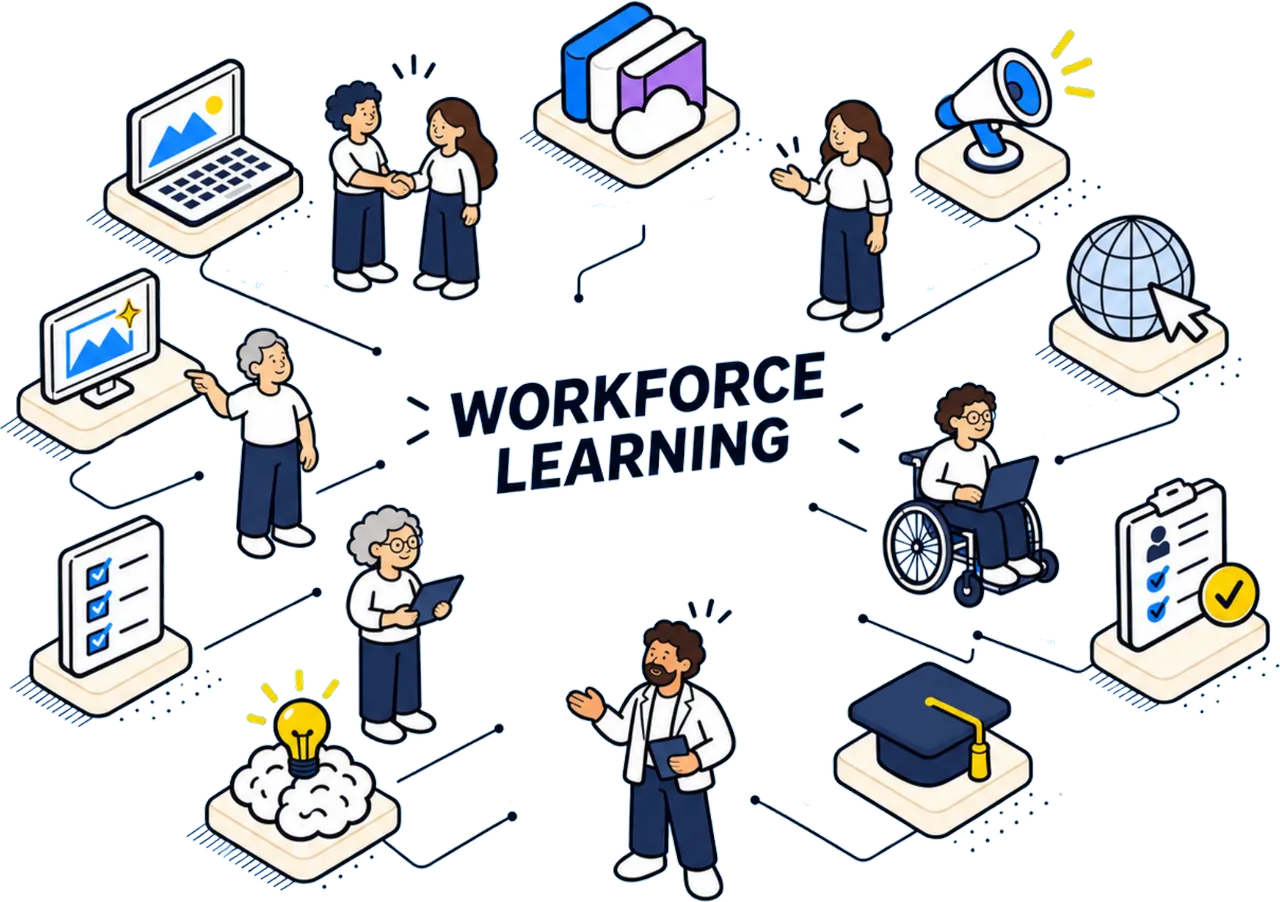
Workplaces that invest in upskilling their staff in these areas tend to see smoother integration of AI into daily workflows. Instead of a top-down mandate to use a new tool, the adoption happens organically because employees understand the value and know how to apply it to their own tasks.
Common Pitfalls to Watch For
One common mistake is treating generative AI as a magic solution that needs no oversight. Even the best models can produce plausible-sounding nonsense. Always have a human review important outputs, especially when they go to customers or contain sensitive information. Another pitfall is over-reliance on a single tool. Different models have different strengths. What works well for creative writing may be terrible for structured data extraction.
Another issue is scope creep. It is tempting to keep adding features to a prototype, but this can delay launch and reduce focus. Stick to the core problem you set out to solve. You can always build a second version later. Finally, do not underestimate the importance of user testing. A tool that makes perfect sense to its creator may confuse a first-time user. Testing with real people early and often saves time and frustration later.
How to Get Started Today
If you are new to generative AI, start by using a free or low-cost tool to automate a small personal task. This could be organising notes, drafting a weekly update, or generating ideas for a project. Pay attention to how you phrase your requests and how the output changes when you tweak the wording. This simple practice builds the intuition that formal training later can refine.
Next, look for a short course or workshop that focuses on building something real. A structured programme that guides you through planning, building, testing, and launching a simple AI app can give you a complete picture in a very short time. The best programmes do not assume any technical background. They focus on the core skills: defining a problem, using no-code tools, and iterating based on feedback.

Finally, share what you learn with colleagues. Teaching someone else is one of the best ways to solidify your own understanding. Even a brief demo during a team meeting can spark ideas and build a culture of practical experimentation. Over time, these small efforts add up to a workplace where AI is used thoughtfully, effectively, and safely.
The shift toward generative AI in the workplace is not slowing down. Building the skills to use it well does not require a computer science degree or months of training. It requires a focused, practical approach and a willingness to test and learn from mistakes. For working adults in Singapore and beyond, that path is becoming more accessible through programmes that respect your time and focus on real outcomes.